
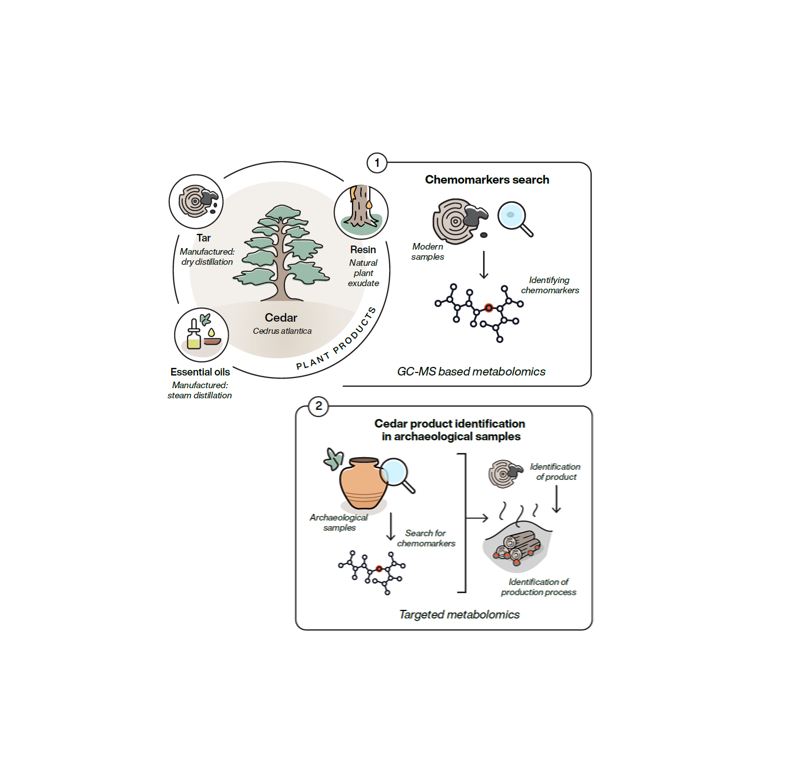
Abstract Journal link: https://www.nature.com/articles/s41598-026-50080-6 The human ability to create manufactured substances is not a modern innovation. It began in the Middle Palaeolithic with the production of birch tar through dry…
Abstract Journal link: https://www.nature.com/articles/s41598-026-50080-6 The human ability to create manufactured substances is not a modern innovation. It began in the Middle Palaeolithic with the production of birch tar through dry…
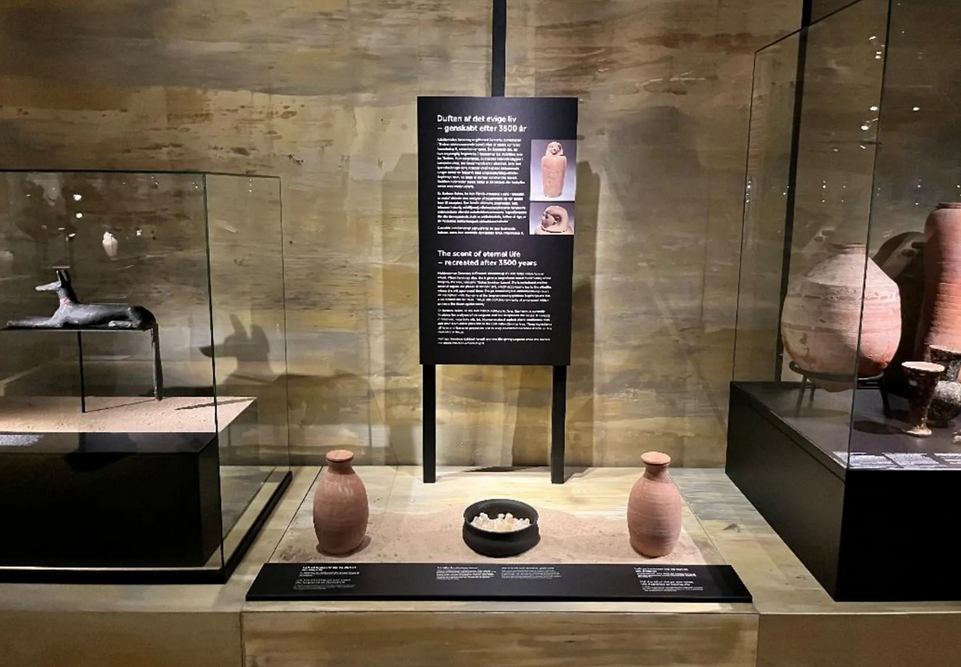
Abstract Journal link: https://www.frontiersin.org/journals/environmental-archaeology/articles/10.3389/fearc.2025.1736875/full Recent advances in biomolecular archaeology have enabled the detection of volatile organic compounds (VOCs) and odor-active metabolites in archaeological materials, revealing the scents and olfactory environments…
Abstract Journal link: https://www.archaeopress.com/Archaeopress/Products/9781805830740 Scents of Arabia presents an innovative interdisciplinary exploration of the role of scents and incense in ancient Arabian societies. Bringing together leading experts in archaeology, biomolecular…
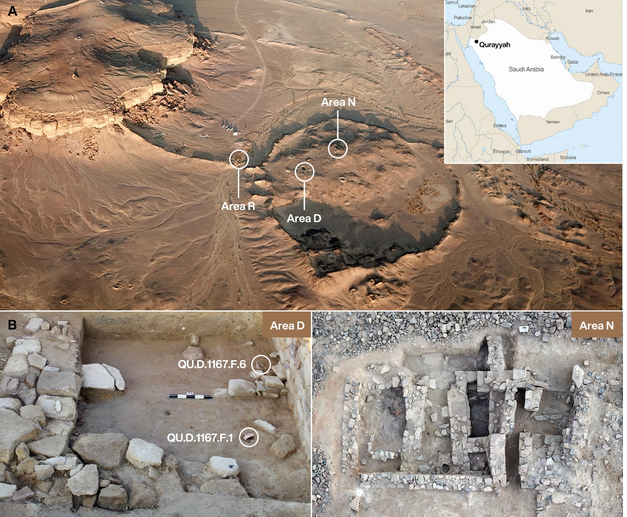
Abstract Journal link: https://www.nature.com/articles/s42003-025-08096-7 The utilization of medicinal and psychoactive plants in the past represents a pivotal intersection of culture, health, and biodiversity. While such plants in Arabia have been…
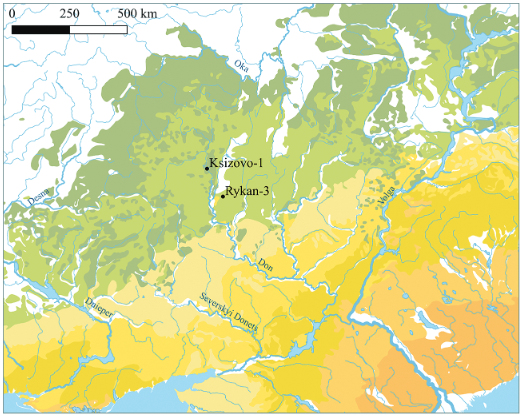
Abstract Journal link: https://journals.uni-lj.si/DocumentaPraehistorica/article/view/20108 Systematic investigations of Bronze Age settlements in different regions of western Eur-asia have provided new insights into settlement structures, land use, and past mobile lifestyles. In…

Abstract Journal link: https://www.nature.com/articles/s41467-024-46093-2 The origins and dispersal of the chicken across the ancient world remains one of the most enigmatic questions regarding Eurasian domesticated animals. The lack of agreement…

Link to full article: https://www.nature.com/articles/s41562-022-01325-7 Abstract Olfaction has profoundly shaped human experience and behaviour from the deep past through to the present day. Advanced biomolecular and ‘omics’ sciences enable more…

Abstract Journal link: https://www.nature.com/articles/s41598-023-39393-y Ancient Egyptian mummification was practiced for nearly 4000 years as a key feature of some of the most complex mortuary practices documented in the archaeological record….

Link to full article: https://theconversation.com/what-would-an-ancient-egyptian-corpse-have-smelled-like-pine-balsam-and-bitumen-if-you-were-nobility-212504